Educational
Deck Renovation Ideas for Vancouver Homes: Trends and Upgrades for 2026
Published:
Last updated:
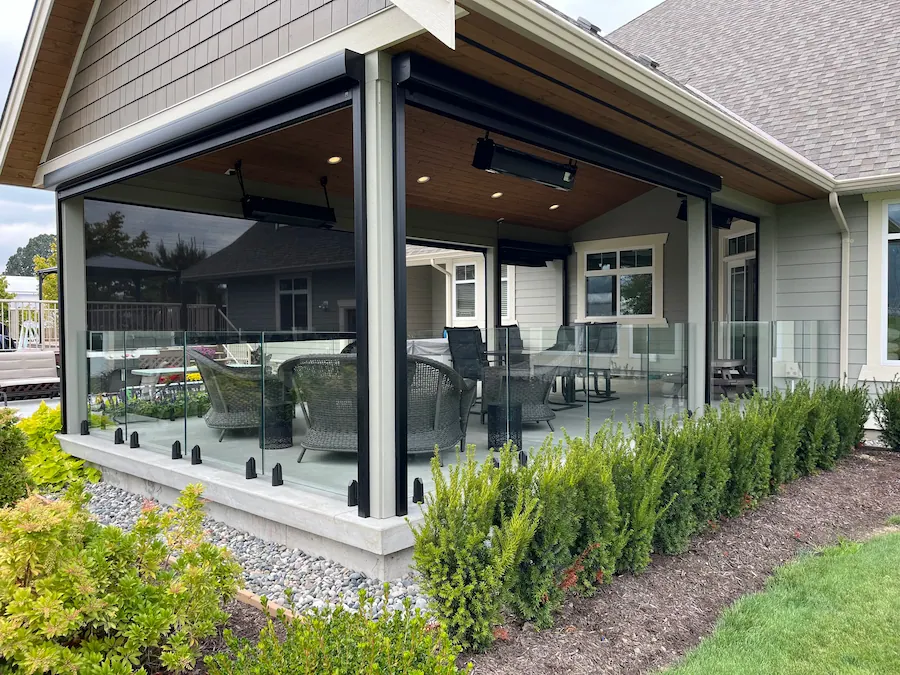
Deck renovation ideas are shaping how Vancouver homeowners think about their outdoor spaces in 2026. The backyard deck is no longer a simple wooden platform for a barbecue. It is a functional extension of the home, designed for year-round comfort, entertaining, and connection with the natural surroundings that make this region so livable.
Outdoor living remains one of the fastest-growing segments in home improvement. Homeowners are now allocating up to 25% of their renovation budgets to outdoor spaces (HBS Dealer, 2025). That investment is showing up in smarter material choices, cleaner designs, and upgrades that prioritize both function and low maintenance.
This guide covers the deck upgrade ideas gaining traction across Greater Vancouver and the Fraser Valley in 2026. Whether you are planning a full rebuild or a targeted refresh, these trends will help you make informed decisions about materials, layout, railings, lighting, and more.
Composite Decking Continues to Lead
The shift from traditional wood to composite decking is no longer a trend. It is the standard for new builds and renovations alike.
Composite boards resist fading, mold, warping, and moisture without the need for annual staining or sealing. For Vancouver's rain-heavy climate, this matters. Homeowners save time and money on upkeep while keeping their decks looking consistent year after year.
The global eco-friendly composite deck market was valued at USD 5.26 billion in 2025 and is projected to reach USD 8.06 billion by 2032 (GII Research, 2026). That growth reflects how seriously homeowners are taking durability and sustainability in their material choices.
What to look for in composite decking for Vancouver:
Moisture resistance: Essential for coastal BC, where rain is a constant factor from October through April
UV protection: Boards with capped polymer technology hold their colour longer under direct sun exposure
Recycled content: Many leading composite brands now use recycled wood fibre and plastic, reducing environmental impact
Slip-resistant textures: Grooved or textured surfaces reduce the risk of slipping when surfaces are wet
Wood still has its place for homeowners who prefer a natural look and lower upfront cost. But it requires consistent maintenance, including sealing, sanding, and stain application, to withstand Vancouver's damp conditions.
Multi-Zone Outdoor Living Layouts
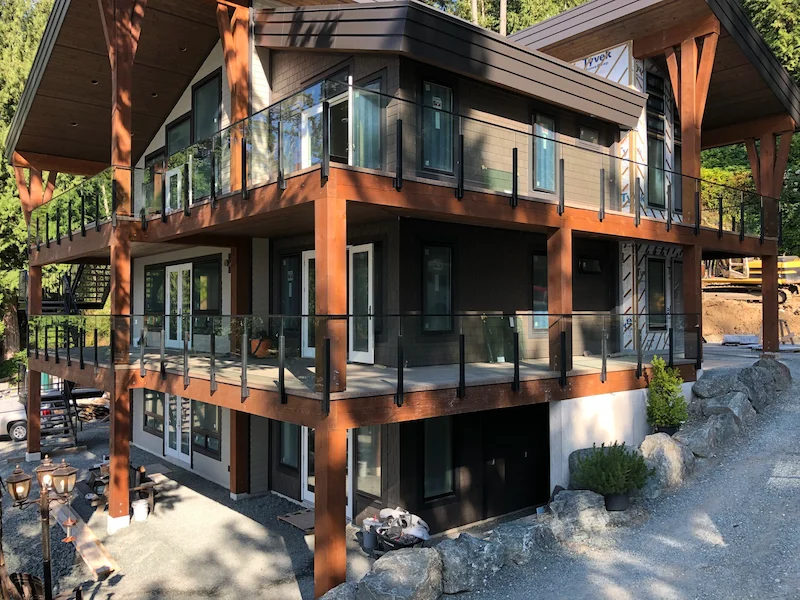
One of the strongest deck renovation ideas for 2026 is designing with distinct zones. Instead of one flat surface, homeowners are breaking their decks into purpose-built areas for dining, lounging, cooking, and relaxing.
Multi-level platforms, built-in seating, and raised planters help define these zones visually. The result is a deck that feels like a series of outdoor rooms rather than a single open space (Decks Decks and More Decks, 2026).
Common zone configurations include:
Dining zone: A dedicated area near the kitchen door with a table, overhead shade structure, and integrated lighting
Lounge zone: Lower seating, fire tables, and soft lighting for evening relaxation
Cooking zone: Built-in grills, countertops, and storage for outdoor meal preparation
Transition zone: A step-down area connecting the deck to the garden or yard
This approach works well for Vancouver's varied lot sizes. Even compact second storey decks can benefit from thoughtful zoning. Small level changes and material contrasts help separate areas without taking up extra square footage.
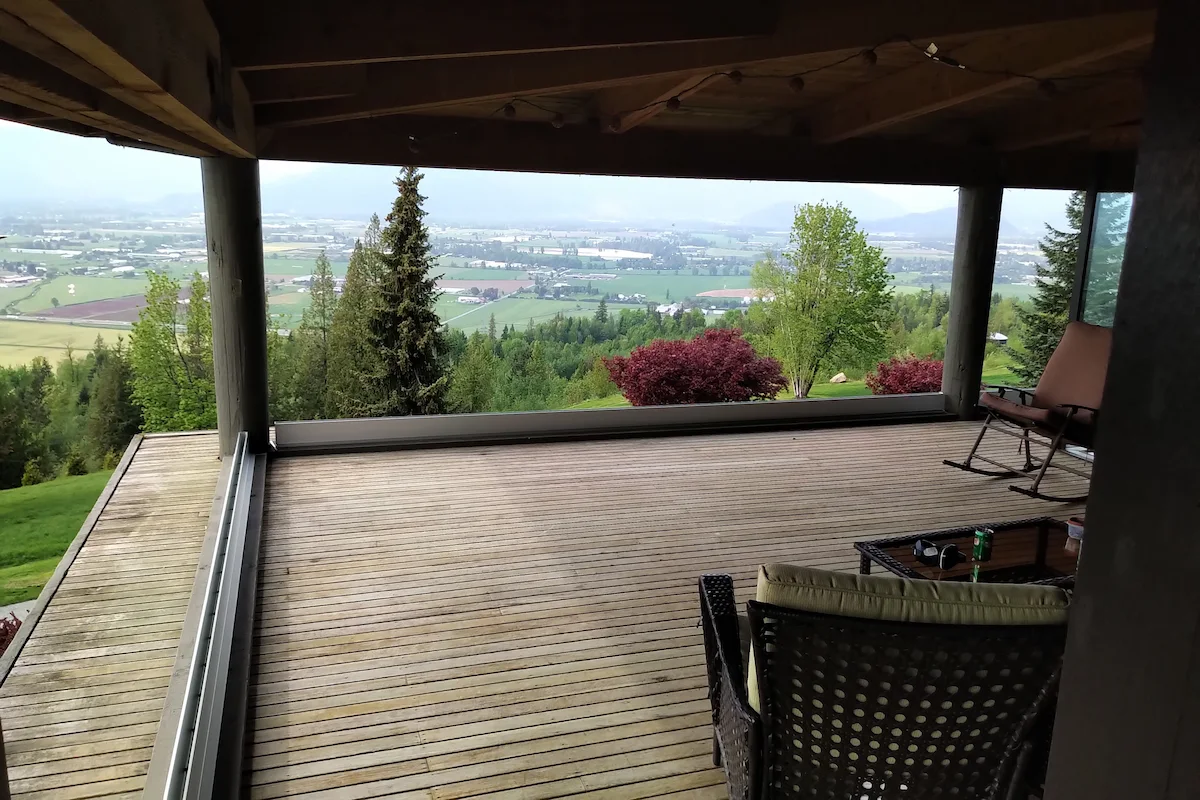
For homeowners with scenic properties along the coast or in mountain-view neighbourhoods, zoning also helps frame sightlines. Placing the lounge zone where the view is strongest and the cooking area closer to the house keeps the primary sightlines unobstructed.
Minimalist Railings That Preserve the View
Railing design has shifted in 2026. Homeowners are moving away from bulky wood or metal balusters and toward clean, transparent systems that preserve sightlines.
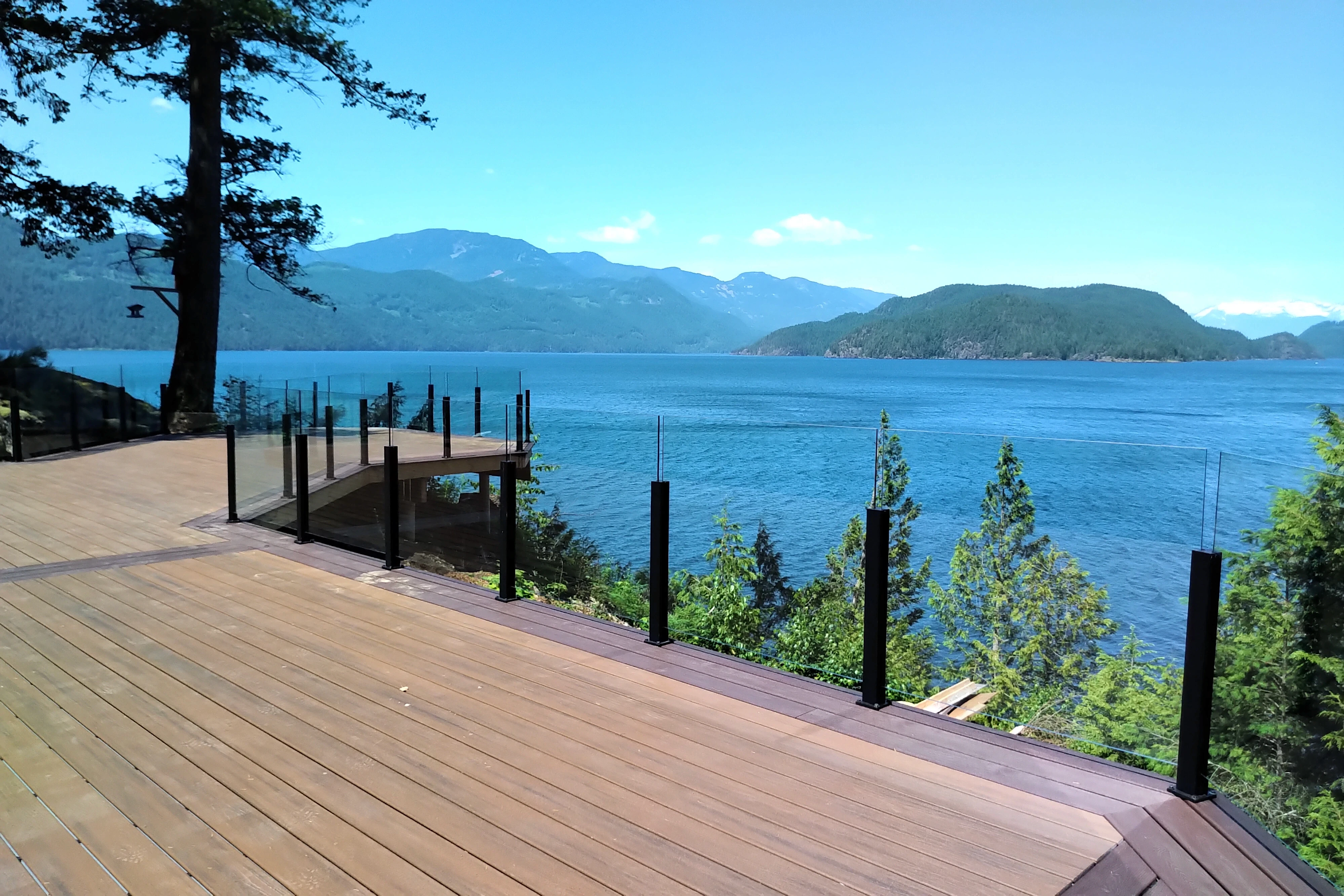
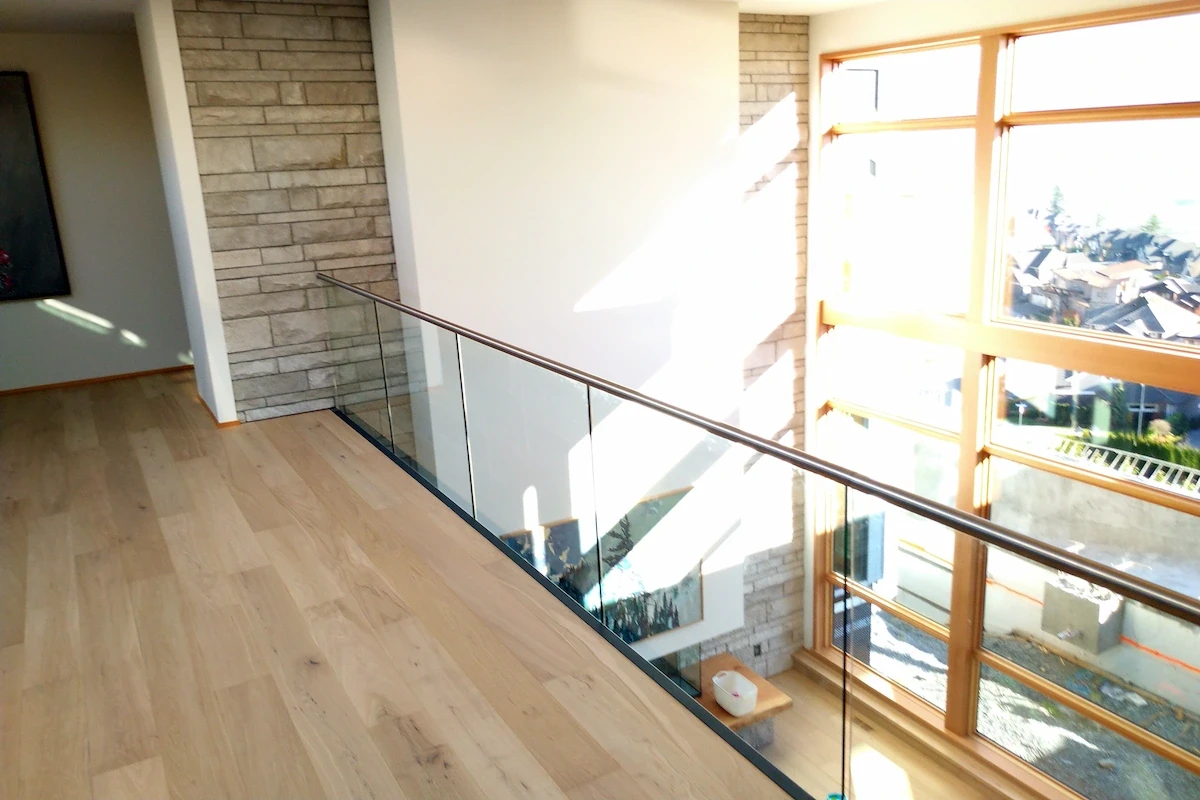
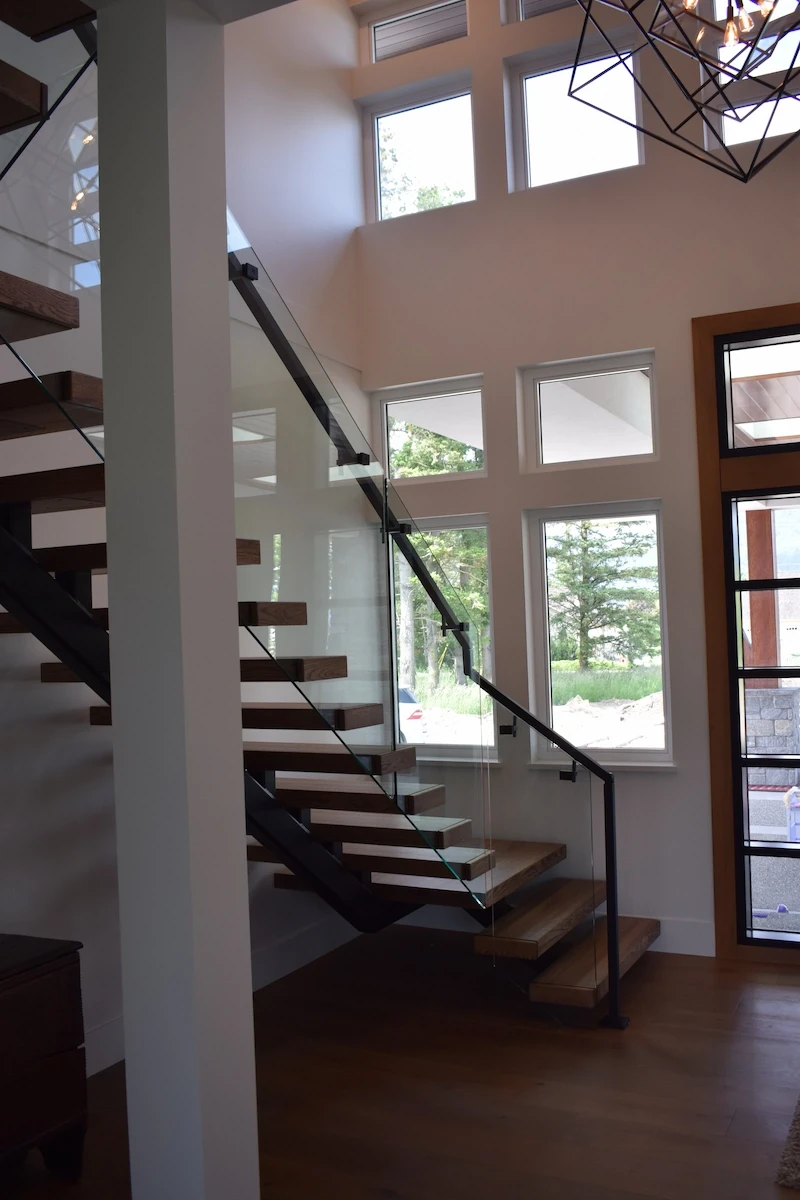
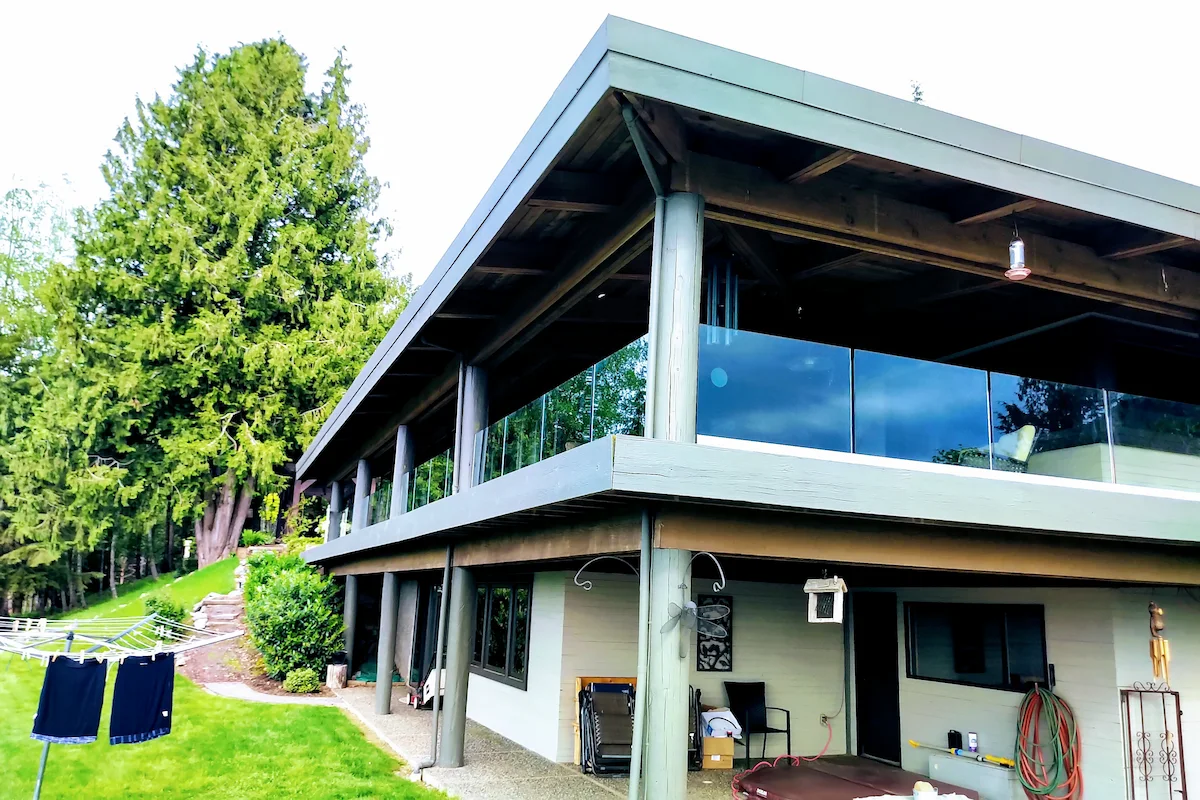
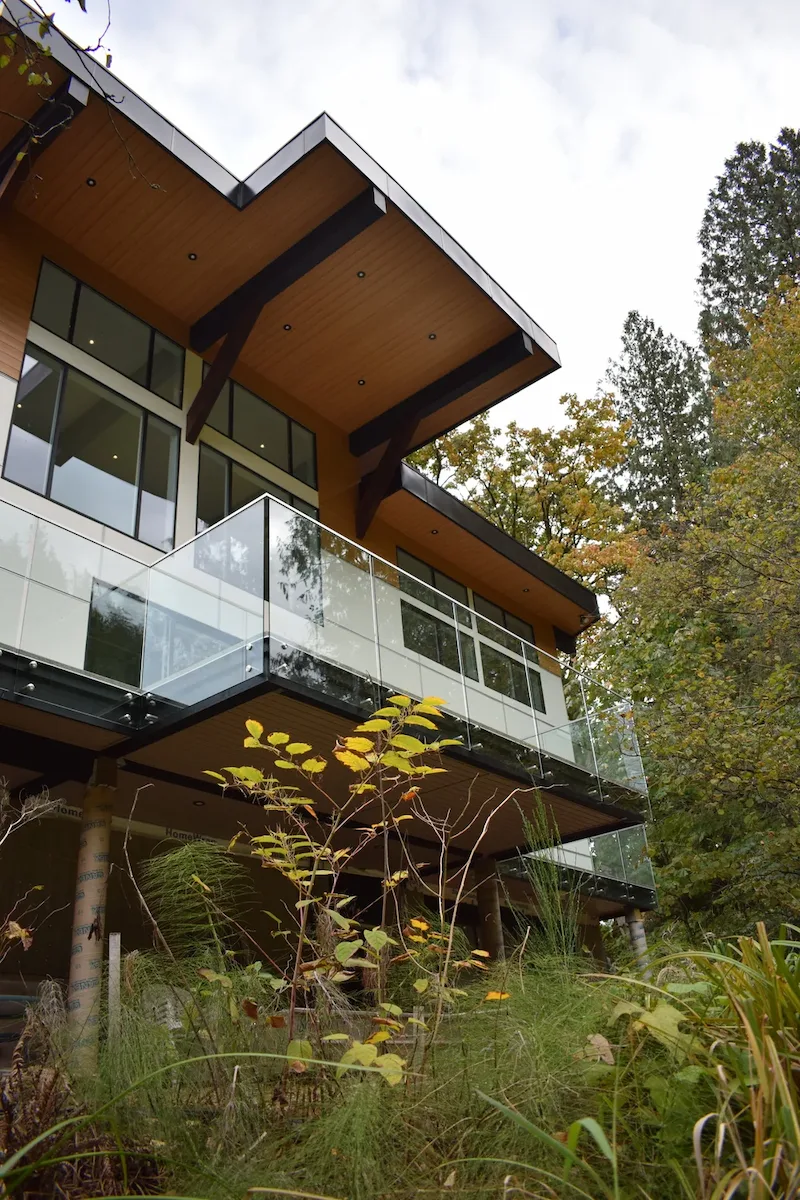
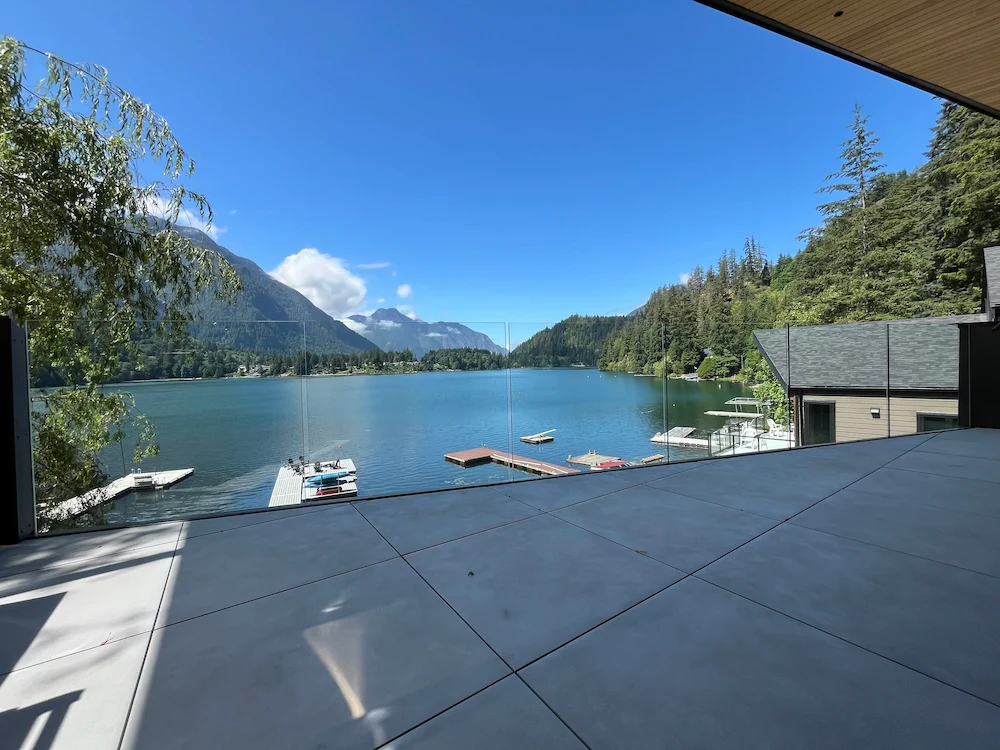
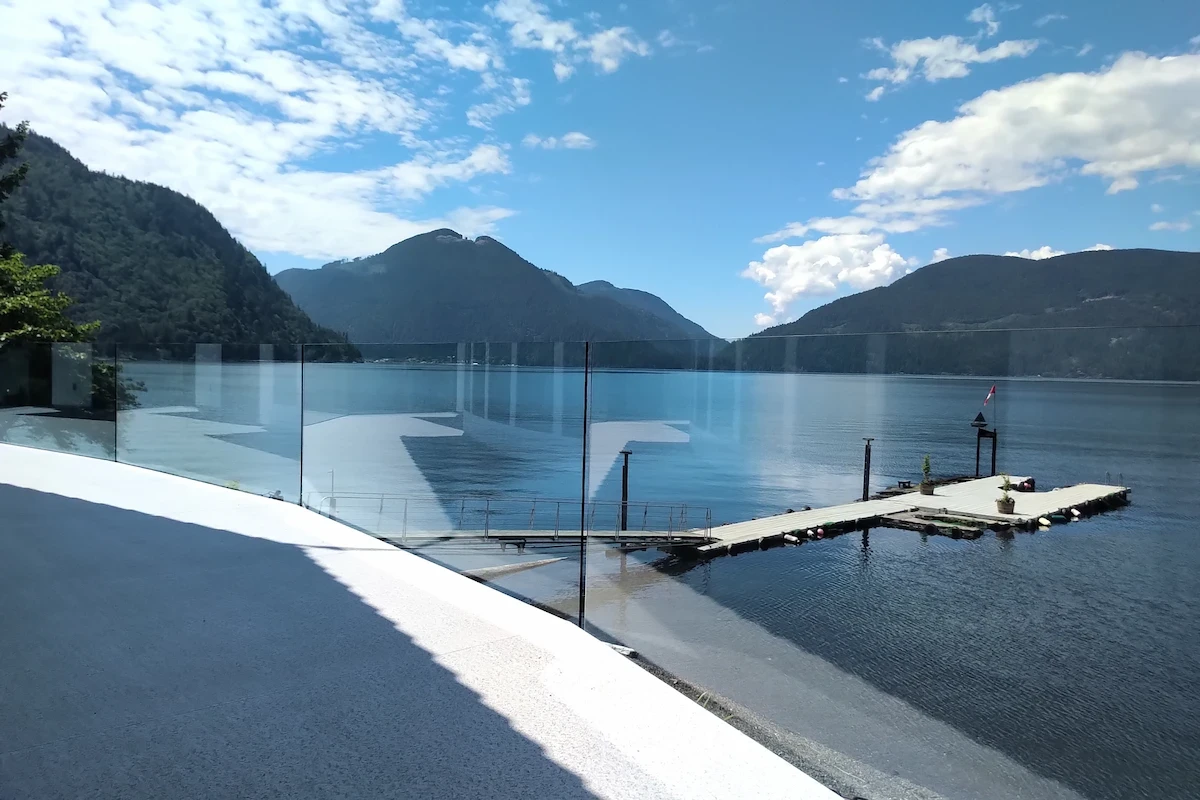
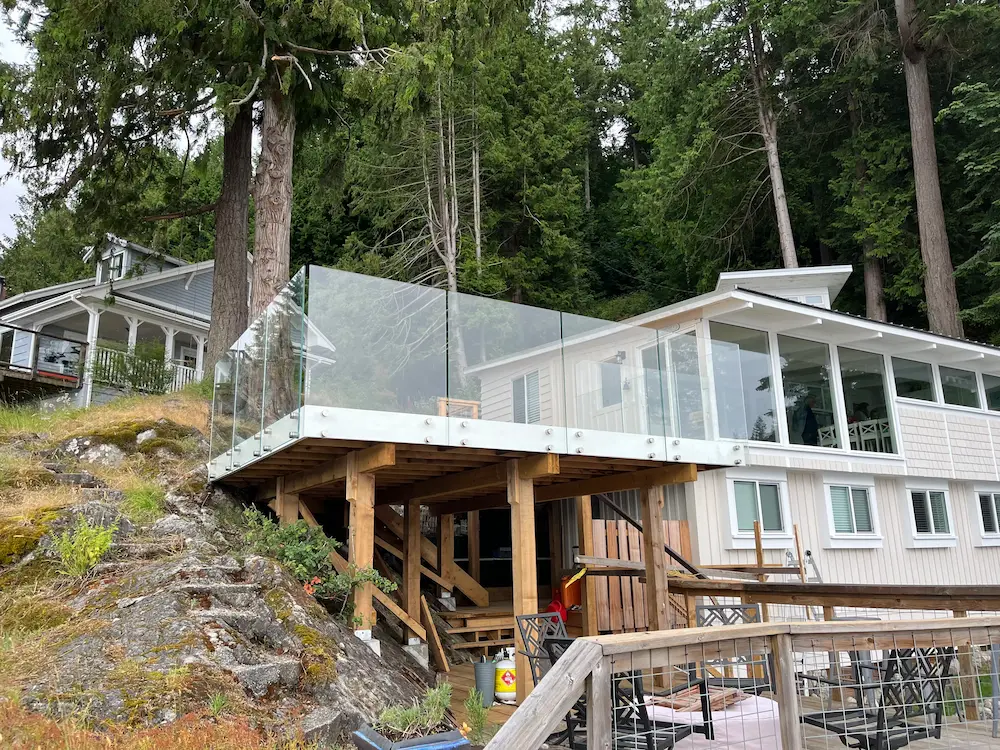
Glass panels and cable railings are among the most popular choices for modern deck renovations. They maintain safety without blocking the view of gardens, mountains, or waterfront scenery. In many of Greater Vancouver's hillside and waterfront neighbourhoods, the view is the primary reason for building or upgrading a deck in the first place, frameless glass railings in Vancouver help preserve that view.
Glass railings support clean architectural lines and help the deck integrate with its surroundings rather than blocking them (Inspiration for Home, 2026). They also make smaller decks feel larger by removing visual barriers.
Two main options for glass railing systems:
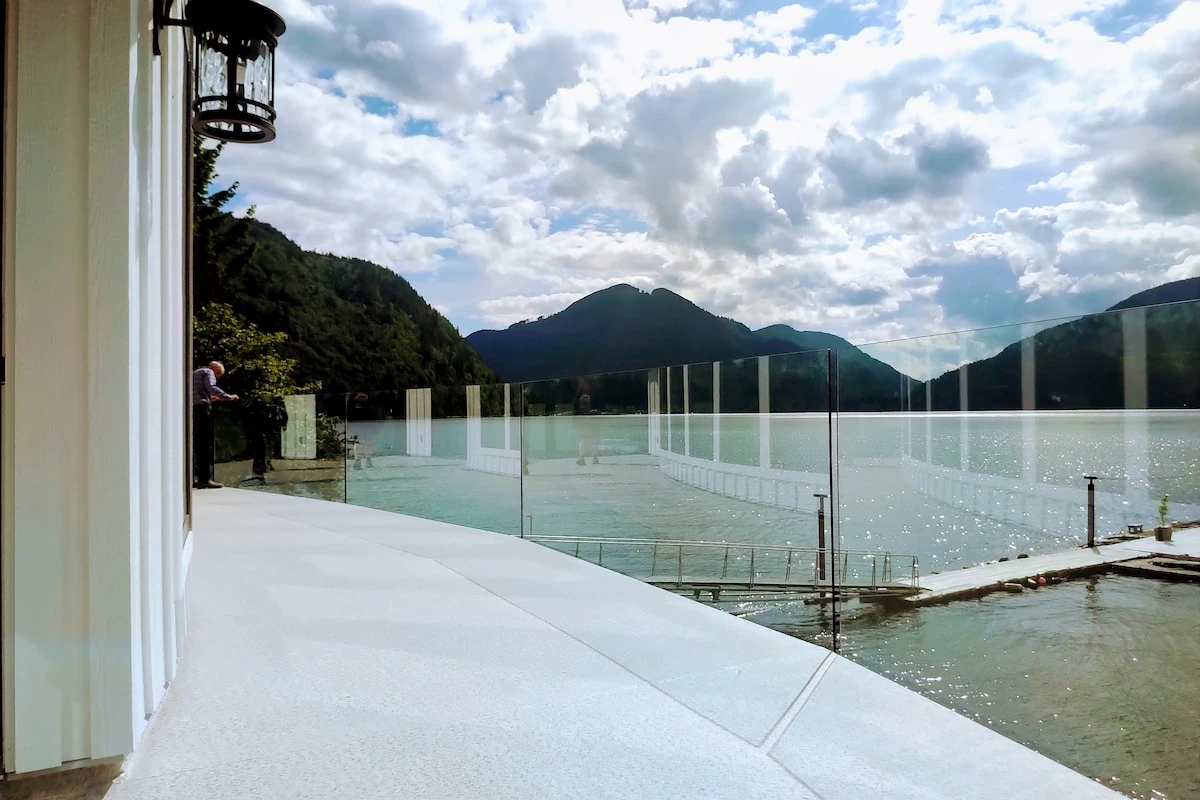
Frameless glass railings: Panels of 12mm glass secured with minimal hardware, such as base shoes, standoffs, or spigots. No top rail. The result is a nearly invisible barrier that puts the landscape front and centre. Frameless systems typically cost $300 to $400 per linear foot installed.
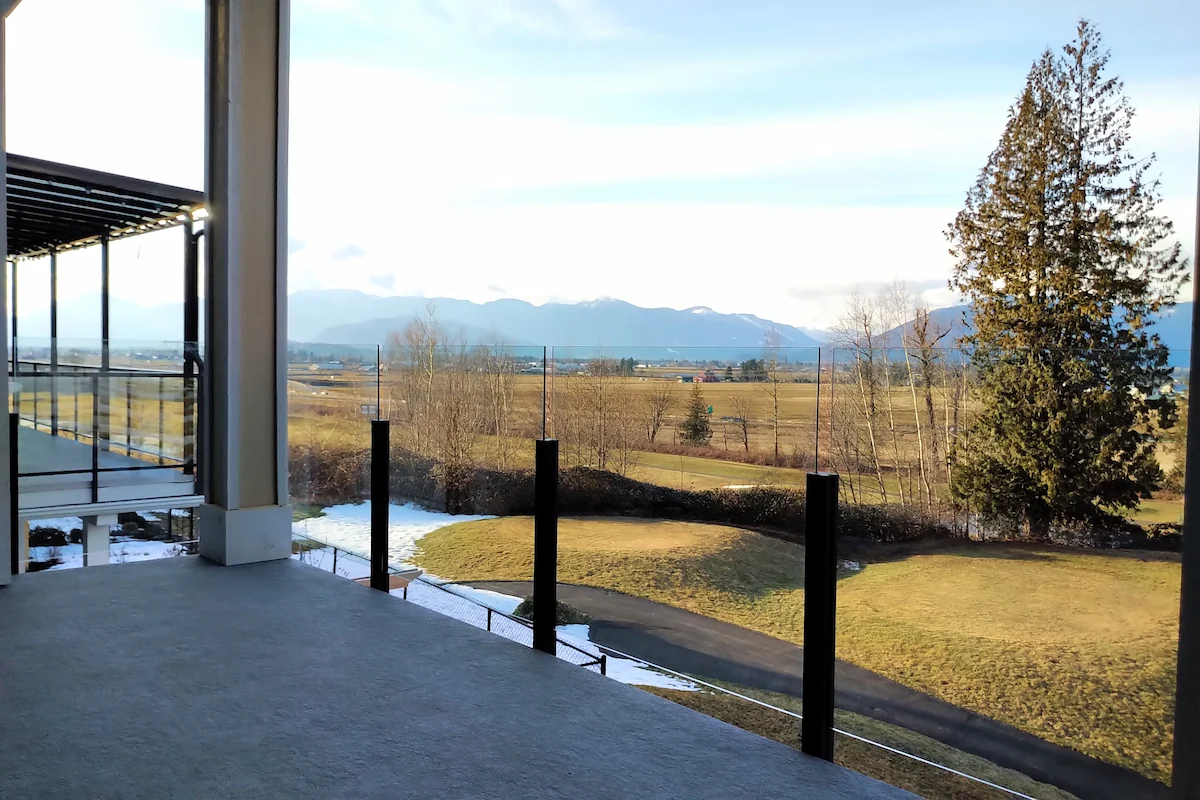
Semi-frameless railings: Glass panels set between aluminum posts spaced a maximum of 42 inches apart. This option provides a structured look while still keeping sightlines open. Semi-frameless systems typically cost $250 to $350 per linear foot installed.
If you are not sure which style suits your project, our comparison of frameless vs semi-frameless glass railings breaks down the differences in detail.
For properties along the water or in elevated settings, waterfront glass railings and mountain view railings are designed to handle coastal wind loads while maintaining unobstructed views.
Integrated Deck Lighting
Lighting is one of the most impactful deck upgrade ideas for extending the usability of outdoor spaces. In 2026, the focus is on warmth and subtlety rather than harsh brightness.
Integrated lighting systems built into the deck structure during construction or renovation look cleaner and perform better than bolt-on fixtures added after the fact. BC homeowners in particular are choosing lighting that blends into the design while improving safety on stairs, walkways, and railing perimeters (Made by Mike Construction, 2026).
Popular deck lighting approaches for 2026:
Riser and step lights: Low-profile LED fixtures recessed into stair risers, improving visibility after dark
Railing-mounted LEDs: Strips or puck lights along the underside of handrails or within railing posts, casting a soft downward glow
Perimeter lights: Recessed fixtures around the deck edge that define the space at night
Accent lighting: Uplights near planters, built-in seating, or architectural features
The common thread across all of these is energy efficiency. LED systems draw minimal power and last for years, making them a practical long-term investment for Vancouver homeowners who want to use their decks well into the evening hours, particularly during the shorter days of fall and early spring.
Indoor-Outdoor Flow and Seamless Transitions
The line between indoor and outdoor living continues to blur in 2026. Homeowners want their deck to feel like a natural continuation of the home rather than a separate structure.
This means coordinating flooring tones, matching interior finishes with exterior materials, and using wide sliding or folding doors to connect the two spaces. Flush or zero-edge thresholds are gaining popularity because they create a seamless step from inside to outside (HBS Dealer, 2025).
Design elements that support indoor-outdoor flow:
Colour coordination: Choosing deck board colours that complement interior flooring tones
Consistent materials: Using similar railing styles or metal finishes inside and outside
Wide-opening doors: Bi-fold, sliding, or retractable glass door systems that open the full wall
Covered sections: Pergolas, louvred roofs, or partial coverings that allow the deck to be used in light rain
Vancouver's climate makes covered or partially sheltered decks especially practical. Rain does not have to mean retreating indoors. A well-designed overhang or retractable cover extends the usable season by months.
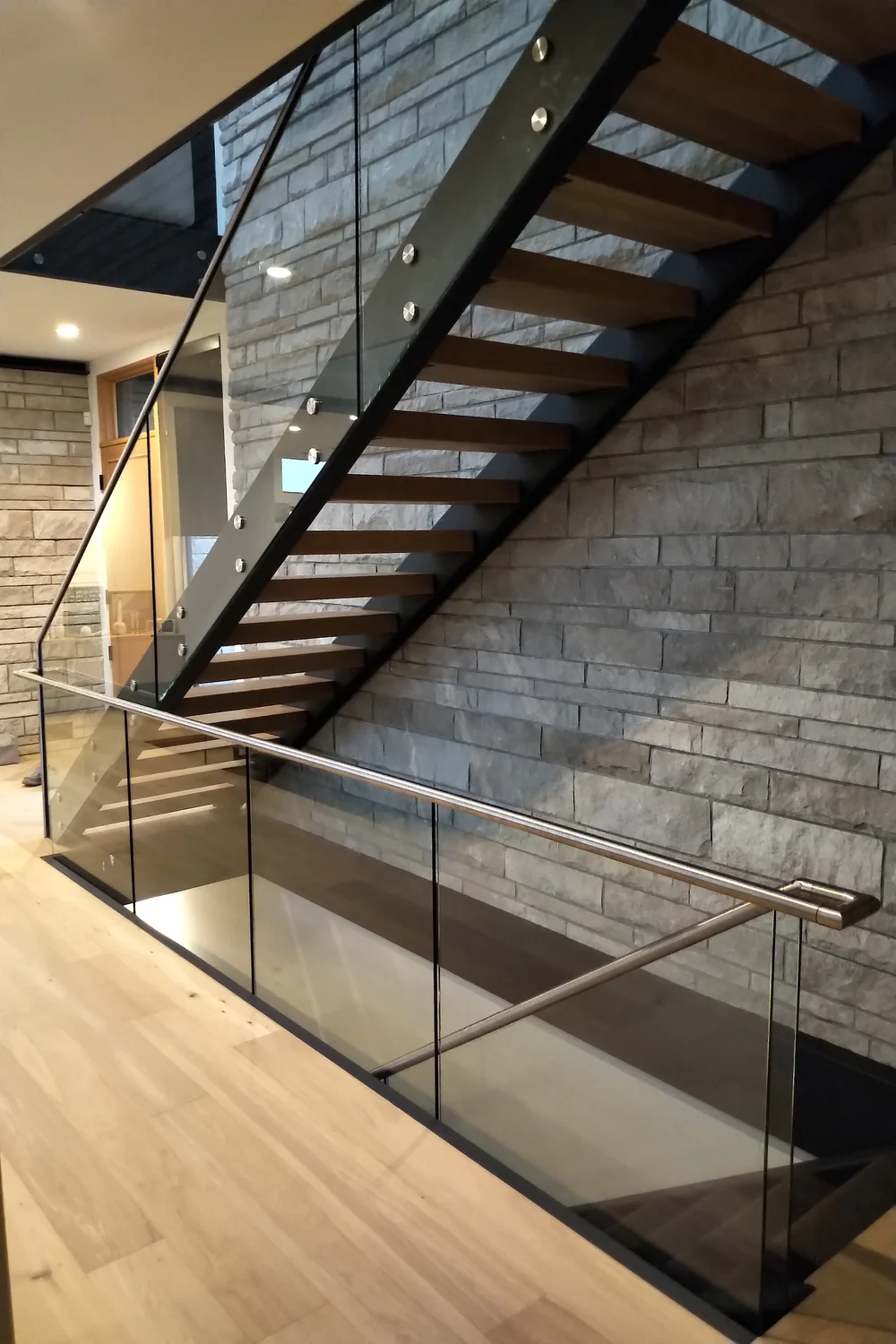
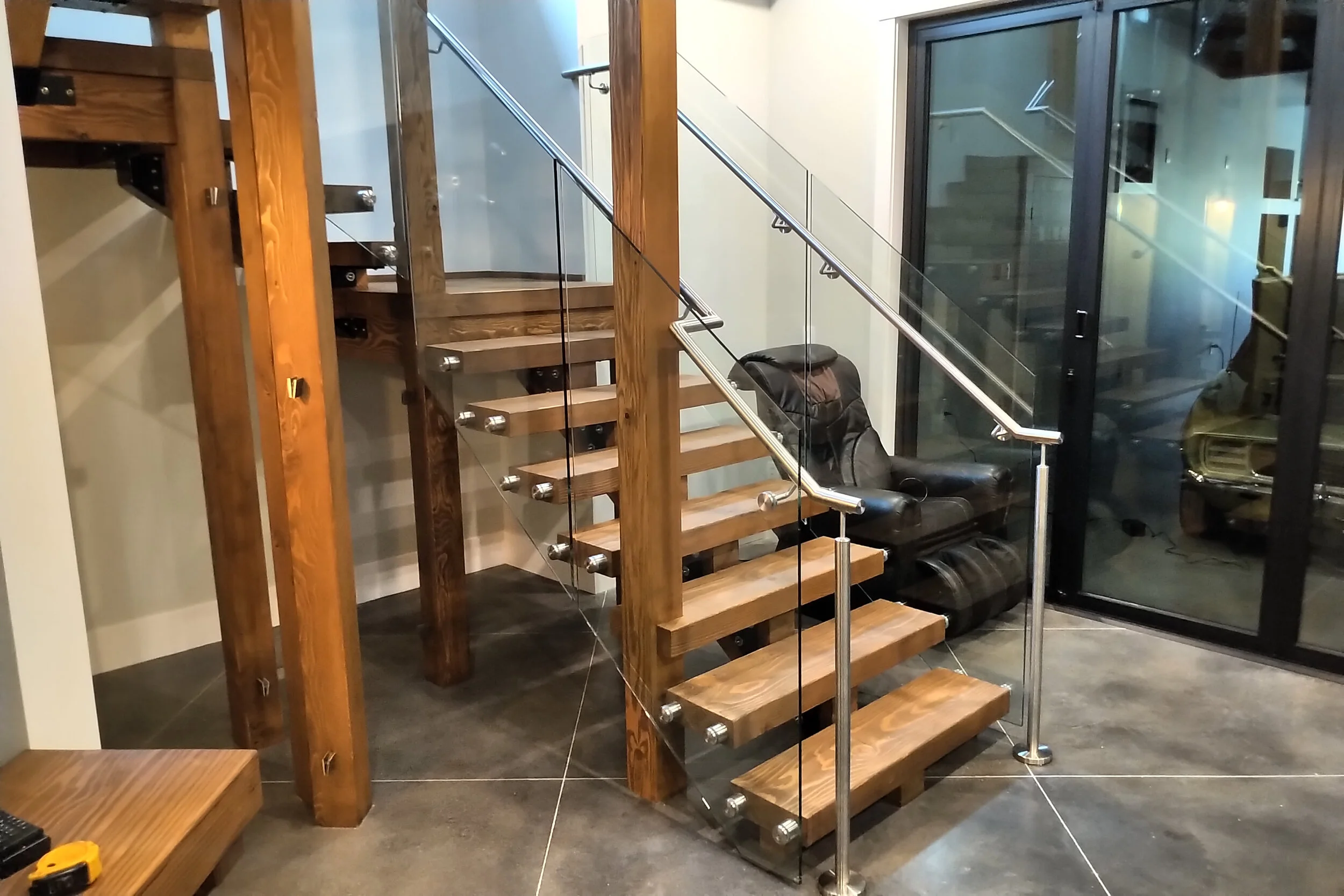
Glass railings play a key role in this trend. Because they do not visually interrupt the transition from interior to exterior, they reinforce the feeling of one continuous living space. Indoor glass railings paired with matching outdoor glass railing systems create a consistent aesthetic from one space to the next.
Warm, Earthy Colour Palettes
Grey-dominant decks are giving way to warmer tones in 2026. Homeowners are choosing colours that feel grounded and connected to the natural landscape.
Warm wood-browns, driftwood hues, soft taupes, and muted greens are among the most popular choices. These tones pair well with Vancouver's lush greenery, stone accents, and natural surroundings (Renaissance Building Company, 2025).
Dual-tone and two-colour layouts are also trending. Homeowners use contrasting board colours to define zones, create picture-frame borders, or highlight transitions between deck areas. This technique adds visual depth without adding complexity.
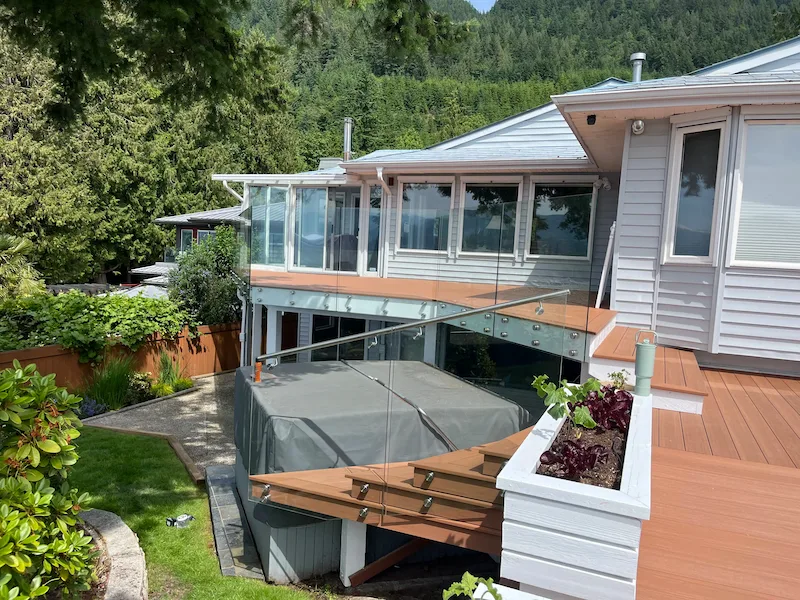
When paired with clear glass railings, warm-toned decking stands out even more. The transparency of the railing allows the full surface colour and texture to be visible from every angle, including from inside the home.
Replacing Aging Wood Railings with Glass
For homeowners who are not ready for a full deck rebuild, upgrading the railings alone can transform the look and feel of an existing deck.
Many Vancouver homes built in the 1990s and 2000s have aging wood railings that have weathered, split, or become visually dated. Replacing wood deck railings with glass is one of the most cost-effective ways to modernize a deck without replacing the entire structure.
Benefits of a railing-only upgrade:
Instantly opens up the view from the deck and from inside the home
Requires less time and disruption than a full renovation
Improves safety with code-compliant systems designed to meet BC building code requirements
Increases the perceived value of the property with a clean, modern finish
Pairs well with existing composite or wood decking in good condition
This is a practical starting point for homeowners exploring deck renovation ideas on a budget. It delivers a visible upgrade while preserving the investment already made in the deck surface and substructure.
Privacy Without Sacrificing Openness
As property lot sizes in Metro Vancouver continue to shrink, privacy has become a bigger consideration in deck design. Homeowners want to enjoy their outdoor spaces without feeling exposed to neighbours.
The challenge is creating privacy without making the deck feel enclosed. Decorative screens, horizontal slat panels, and strategically placed planters offer solutions that filter sightlines while still letting light and air through (Freedom Fence and Home, 2025).
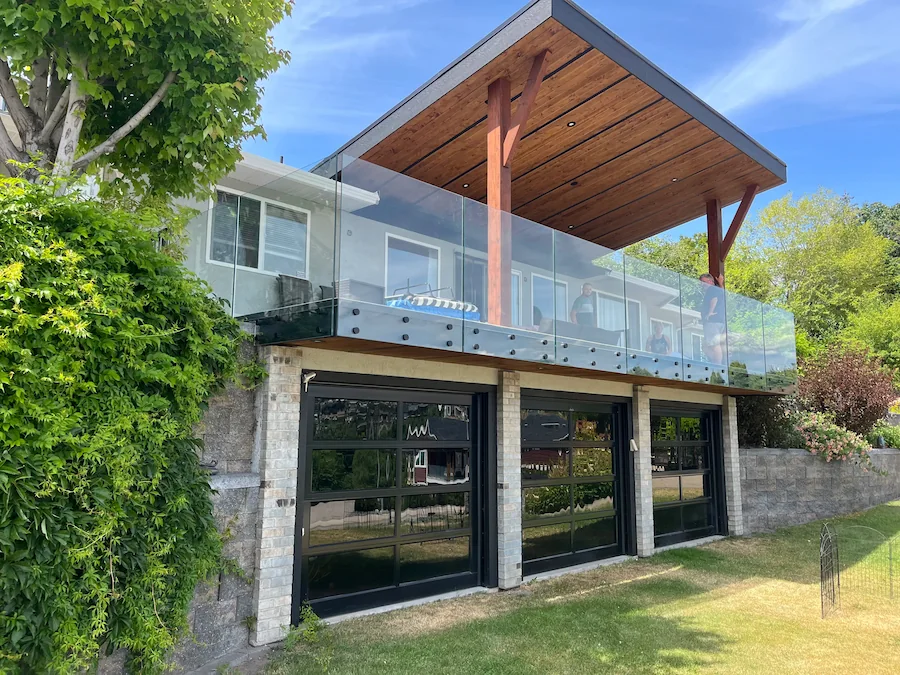
Glass railings support this balance. They do not block views outward, but they do create a defined perimeter that separates your space from the surrounding area. For added privacy in specific sections, frosted or tinted glass panels are an option that maintains the clean aesthetic while reducing visibility from adjacent properties.
Smart Technology on the Deck
Technology is making its way outdoors in 2026. Smart lighting, automated shade systems, and integrated audio are becoming standard features in higher-end deck renovations.
Climate sensors that monitor moisture and temperature, automated louvred roofs that adjust to weather conditions, and Wi-Fi-connected lighting systems that respond to time of day are all gaining adoption (Outback Deck, 2026).
For Vancouver homeowners, automated rain-sensing covers are particularly useful. These systems retract on clear days and extend when rain starts, allowing the deck to remain functional in changing weather without manual intervention.
The key is integrating technology during the design phase rather than adding it after construction. Running wiring, mounting hardware, and planning for smart controls is easier and more cost-effective when built into the original renovation plan.
Building Code Compliance in BC
Any deck renovation in British Columbia must comply with the BC Building Code. This includes requirements for railing height, structural load, and material specifications.
Railings are required on any deck surface 24 inches or higher above grade. The minimum railing height in BC is 42 inches for residential decks. Glass panels used in railings must meet specific safety standards for thickness, tempering, and lamination.
Working with a contractor familiar with local code requirements avoids delays, failed inspections, and costly rework. Tenmar's systems are engineered to meet BC building code standards and are installed by experienced crews across the Lower Mainland and Fraser Valley.
For a deeper look at code requirements and what they mean for your project, read our guide on how to meet glass railing code requirements in BC.
Planning Your Deck Renovation: Where to Start
A successful deck renovation starts with understanding how you use your outdoor space today and how you want to use it in the future. Before choosing materials, colours, or layouts, consider the following.
Questions to guide your planning:
How many people will use the deck regularly?
Will you use the space primarily for dining, lounging, entertaining, or all three?
Do you need to accommodate stairs, level changes, or connections to other outdoor areas?
Is preserving or enhancing a view a priority?
How much maintenance are you willing to do each year?
What is your timeline and budget?
Starting with these answers helps narrow down the right combination of materials, layout, and features. From there, working with a contractor who understands Vancouver's climate, building codes, and design expectations will help bring the project together efficiently.
Browse our gallery for examples of completed projects across the Lower Mainland and Fraser Valley. When you are ready to discuss your renovation, contact us for a consultation.
Frequently Asked Questions
What are the most popular deck renovation ideas for 2026?
The leading deck renovation ideas in 2026 include switching to composite decking, creating multi-zone layouts, upgrading to glass railings, integrating LED lighting, and designing for indoor-outdoor flow. Warm, earthy colour palettes and smart technology are also gaining popularity among Vancouver homeowners.
How much does a deck renovation cost in Vancouver?
Costs vary depending on the scope of the project. Decking materials, railing systems, lighting, and labour all factor into the total. Glass railing systems range from $250 to $400 per linear foot depending on the style chosen. For a detailed breakdown, see our guide to glass railing installation costs in Greater Vancouver.
Can I upgrade my deck railings without replacing the whole deck?
Yes. Replacing aging wood railings with glass is one of the most effective single upgrades you can make. It modernizes the appearance of your deck, improves sightlines, and meets current code requirements without the cost and disruption of a full rebuild.
Do glass railings work in Vancouver's rainy climate?
Glass railings perform well in wet conditions. They do not rot, warp, or corrode the way wood railings do. Periodic cleaning with standard glass cleaner keeps them clear. For properties near the coast, corrosion-resistant systems are available for added durability.
What deck materials hold up in Vancouver weather?
Composite decking and glass railings are among the most durable options for Vancouver's climate. Composite resists moisture, mould, and UV damage. Glass and aluminum hardware handle rain and coastal air without the maintenance demands of wood. For more on material options, read our complete guide to glass railings.
Do I need a permit for a deck renovation in BC?
Most structural deck work in BC requires a building permit. This includes new construction, significant alterations, and railing replacements on elevated decks. Requirements vary by municipality. Your contractor should confirm permit needs before starting work.
Related Reading
Looking for more detail on specific topics covered in this guide? These articles go deeper on materials, costs, maintenance, and design.
Check out the rest of our blog for more.